
Ledger Management: Organizing Your Financial Records
A practical guide to maintaining organized ledgers and keeping your accounts balanced throughout the year

Why Your Ledger Matters More Than You Think
Your ledger is basically the heart of your bookkeeping system. It’s where every transaction ends up after you’ve recorded it in your journal. Without a well-organized ledger, you’ll spend hours trying to track down numbers, second-guess your balances, and struggle through tax season.
The good news? It doesn’t have to be complicated. Whether you’re managing this on paper or in accounting software, the principles stay the same. You’re organizing accounts, tracking money in and out, and keeping everything balanced. That’s it.
In this guide, we’ll walk through what a ledger actually does, how to set up your accounts properly, and the techniques that keep things organized all year long. You’ll learn practical steps you can implement today, no matter what size your business is.

Understanding Account Structure
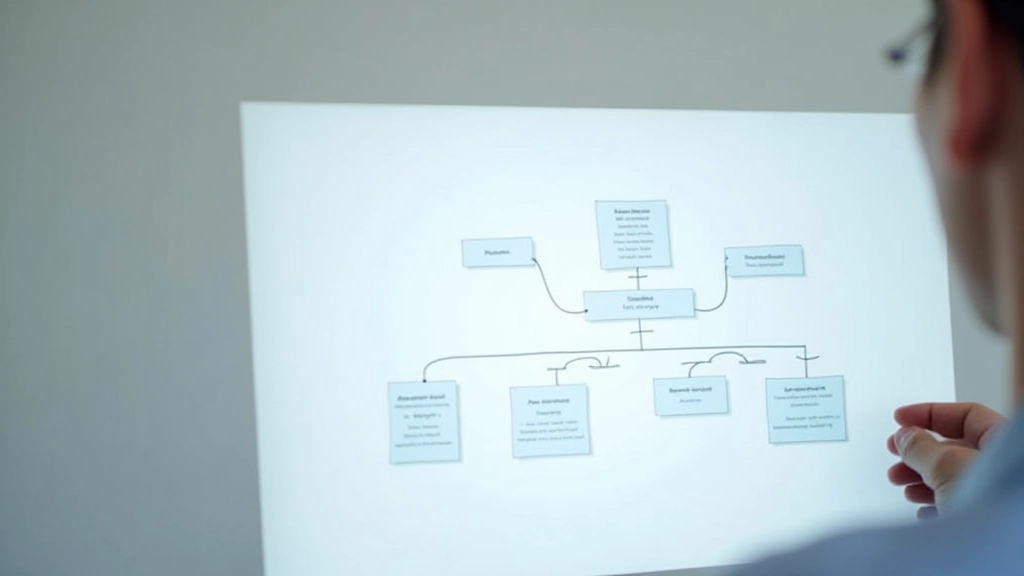
Before you can organize anything, you need to understand how accounts work in a ledger. Each account has a name, an account number (if you’re using them), and a place to record transactions. Think of it like opening separate folders for different categories of money.
Most small businesses organize accounts into five main categories: Assets (what you own), Liabilities (what you owe), Equity (owner’s investment), Revenue (money coming in), and Expenses (money going out). This structure — called the chart of accounts — becomes your organizational backbone.
“A properly structured chart of accounts saves you time every single month when you’re reconciling and reviewing your financial position.”
— Sarah Chen, Accounting Consultant
You don’t need dozens of accounts. Most small operations work fine with 20-30 well-organized accounts. Too many and you’ll spend time deciding where transactions belong. Too few and you’ll lose important detail about where your money’s actually going.

Posting Entries: Getting Transactions Into Your Ledger
Posting is the process of moving transaction information from your journal into the appropriate ledger accounts. Each journal entry becomes one or more ledger postings. The key is doing it accurately and consistently so your accounts stay balanced.
Here’s what actually happens: You take a journal entry (say, a $500 sale on account), identify which accounts it affects (Revenue and Accounts Receivable), then post the debit to one account and the credit to another. That entry’s now permanently recorded in both places, and both accounts reflect the transaction.
Most businesses post transactions daily or at least weekly. Don’t let them pile up for a month — you’ll lose track of what happened and catching errors becomes nearly impossible. If you’re using accounting software, posting happens automatically when you enter a transaction. If you’re doing it manually, set a regular schedule and stick to it.
The discipline here is what keeps your ledger reliable. Every entry gets posted to the right accounts with the right amounts. No shortcuts, no guessing.
Five Practical Strategies for Organization
Use Account Numbers Consistently
Assign a three-digit code to each account (1000-1999 for assets, 2000-2999 for liabilities, etc.). This system keeps everything in logical order and makes it easy to find what you’re looking for when you’re in a hurry.
Date Every Entry Clearly
Write dates in a consistent format (2026-02-15 works better than 2/15 or 15/2). You’ll need these dates for reconciliation, and consistency prevents confusion when you’re reviewing months of transactions.
Include Transaction Descriptions
Don’t just record numbers. Write what the transaction was: “Invoice #2401 – ABC Corp”, “Rent payment Feb”, “Office supplies – Amazon”. Future you will be grateful when you’re tracking down that mysterious $245 charge.
Run Totals Regularly
At least weekly (or after each posting if you’re doing it manually), calculate the running balance for each account. This catches errors before they compound and keeps you aware of your actual financial position.
Keep a Reference Journal
Write down where each ledger posting came from (journal entry number, invoice number, check number). This creates a trail you can follow backward if something doesn’t match up during reconciliation.
Archive Old Ledger Pages
Once a month or quarter is complete, store those pages in a safe place. This protects your records and keeps your active ledger from becoming an overwhelming stack of paper.

Keeping Everything Balanced: The Monthly Check
Organization means nothing if you don’t verify it’s correct. That’s where reconciliation comes in. Once a month, you’ll compare your ledger balances against bank statements, credit card statements, and physical counts of inventory or cash. Any gaps get investigated and fixed.
Start with your bank account. Pull your month-end bank statement and compare it to what your ledger shows for that account. They probably won’t match perfectly — there might be outstanding checks, deposits in transit, or bank fees you haven’t recorded yet. That’s normal. Identify what’s different, record any transactions you missed in your ledger, and get them to match.
Then do the same with other accounts: credit cards, loan balances, customer accounts if you offer credit. It’s tedious work, but it’s the only way you’ll catch errors before they turn into bigger problems. A $50 mistake you catch in February is easy to fix. That same $50 you don’t find until November gets tangled up with nine months of other transactions.
Set a calendar reminder for the first week of each month. Make reconciliation a routine part of your process, and you’ll stay on top of your financial reality.

Building Your Ledger System That Works
A well-organized ledger doesn’t happen by accident. It comes from making deliberate choices about structure, maintaining consistent posting practices, and spending time each month to verify everything’s correct. The time you invest now in organizing your system pays dividends later when you’re preparing financial statements or answering questions about your business.
Start simple. Don’t create 50 accounts if you only need 15. Don’t implement a complex numbering system if you’re tracking everything manually. Build a system that fits your business and that you’ll actually use consistently. Then stick with it. Consistency matters more than perfection.
Key Takeaways
- Your ledger is the permanent record of all your accounts — organize it intentionally
- Post transactions regularly (daily or weekly) with clear dates and descriptions
- Use account numbers to keep everything in logical order
- Reconcile accounts monthly to catch errors early
- Create a system you’ll actually maintain — simplicity beats complexity
Your ledger’s organized now. Next, you’ll want to understand how all these accounts come together in your trial balance, which is your verification that everything’s balanced before you close out the accounting period. That’s where the real power of organized bookkeeping becomes obvious.
About This Guide
This article is educational material designed to help you understand ledger organization principles. It’s not accounting advice or a substitute for professional guidance. Accounting practices vary by jurisdiction, business structure, and industry. If you’re unsure about how to set up your specific ledger or need help implementing these practices, consult with a qualified accountant or bookkeeper in your area. Canadian businesses should ensure their practices comply with GAAP (Generally Accepted Accounting Principles) and relevant provincial regulations.
Continue Learning